

The Legacy of Martin Luther King Jr.: Uncovering the Man Behind the Speech
- Xavier Johnson

- Jan 21, 2025
- 4 min read
Martin Luther King Jr. Day is an important holiday in the United States celebrated on the third Monday of January each year. It honors the life and achievements of Martin Luther King Jr., a prominent leader in the American civil rights movement. This day acts as a powerful reminder of the struggle for racial equality and justice, alongside the commitment to nonviolent protest.
The Origins of Martin Luther King Jr. Day
The push for Martin Luther King Jr. Day as a federal holiday emerged from grassroots advocacy and national recognition of King's contributions to civil rights. Following his assassination on April 4, 1968, organizations and individuals campaigned for a day that would honor his legacy.
In 1979, a bill to establish the holiday was introduced but met with opposition and was not passed until 1983. Finally, President Ronald Reagan signed the legislation, marking it as a federal holiday, which was first observed on January 20, 1986.

Why We Commemorate This Day
Martin Luther King Jr. Day is more than just a day off work; it serves as a time for reflection on King’s vision for a better society. It encourages individuals to embrace the values of equality, justice, and peace—principles that King passionately promoted throughout his life.
The day is marked by various events, such as community service projects, educational programs, and marches that respect King’s legacy. For example, since 1994, millions of Americans have participated in the "MLK Day of Service," which promotes serving and improving local communities. In 2020 alone, volunteers contributed over 5.5 million hours of service on this day.
The Impact of King's "I Have a Dream" Speech
One of the most defining moments of Martin Luther King Jr.’s life was the "I Have a Dream" speech delivered during the March on Washington for Jobs and Freedom on August 28, 1963. This powerful oration helped galvanize support for the civil rights movement and is considered one of the greatest speeches in American history.
In his speech, King painted a vision of a racially integrated and harmonious America. He articulated his hope for a future where children would be judged not by the color of their skin but by the content of their character. This dream has since inspired countless individuals and movements seeking justice and equality.
Who Was Martin Luther King Jr.?
Before becoming a national symbol for civil rights, Martin Luther King Jr. was a young minister from Atlanta, Georgia. Born on January 15, 1929, he grew up in a middle-class family that valued Christian teachings and African American heritage.
King attended Morehouse College, Crozer Theological Seminary, and earned a doctorate in systematic theology from Boston University. His education deeply impacted his views on social justice, compelling him to challenge racial inequality head-on.
The Significance of the Speech's Location
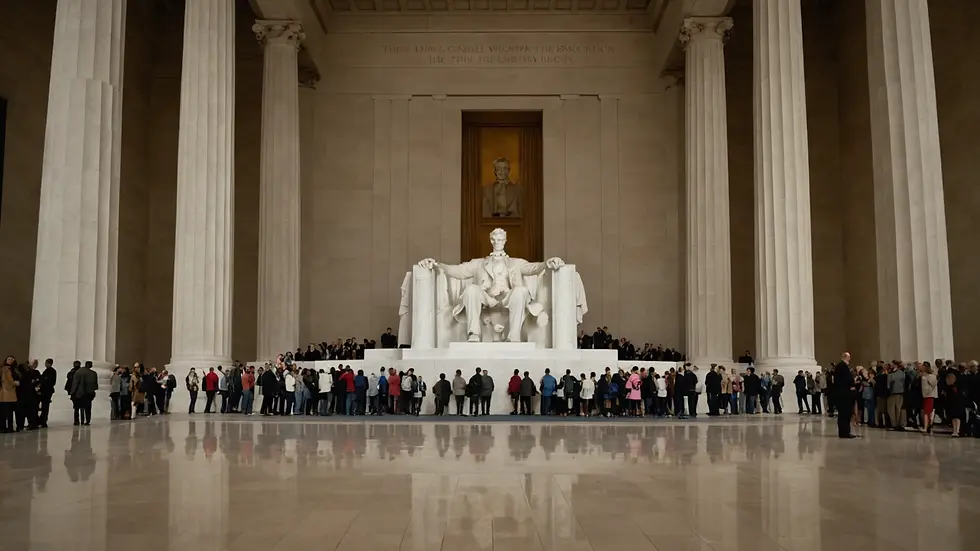
The Lincoln Memorial, where the "I Have a Dream" speech was delivered, holds historical significance as a symbol of freedom and equality. An estimated 250,000 people attended the March on Washington, one of the largest rallies for human rights in U.S. history.
This pivotal moment marked a turning point in the civil rights movement, leading to critical legislation like the Civil Rights Act of 1964 and the Voting Rights Act of 1965. The rally showcased unity among diverse social and racial groups advocating for justice.

King’s Lasting Influence and Legacy
Martin Luther King Jr.'s influence transcends the events of the 1960s and continues to resonate today. His unwavering commitment to nonviolence has inspired movements for peace and justice worldwide.
In addition to the federal holiday, King's legacy is honored through educational initiatives, community service programs, and monuments. For instance, over 1,000 schools across the United States are named after him, ensuring that his ideals reach future generations.
King's teachings remain central to discussions about social justice, equality, and freedom, motivating countless individuals to take a stand against injustice.
Reflections on the Importance of MLK Day
Martin Luther King Jr. Day is a federal holiday, but more importantly, it reminds us that the work King started is far from complete. Racial inequality and social injustice continue to exist, and the ideals he championed are as relevant today as they were decades ago.
Observing this day encourages us to understand the ongoing struggle for civil rights and the importance of continued efforts to combat inequality in its many forms. It challenges each person to reflect on their values and think about how they can contribute to a fairer society.
Honoring the Legacy of Martin Luther King Jr.
Martin Luther King Jr. Day isn’t just a day for remembrance; it’s a call to action. It challenges us to embody the principles of justice and equality King fought for through advocacy and community service.
As we recognize the incredible legacy of Martin Luther King Jr., we must remember the power of words, the potential for change, and the ongoing journey toward freedom and respect for all individuals. By striving to keep King's dream alive, we can work towards a future where everyone is treated with dignity and compassion.
Understanding the man behind the monumental speech and his societal impact helps us appreciate our shared history and recognize our responsibilities in shaping a just future for everyone.


Comments