

Uncovering Untold Stories: Exploring the Fascinating Depths of US History
- Xavier Johnson

- Nov 10, 2024
- 4 min read
US history is rich with tales that shape the identity and culture of the nation. While events like the American Revolution and the Civil War fill our textbooks, countless untold stories deserve recognition. This blog post will shine a light on lesser-known aspects of US history, showcasing the diverse experiences that contribute to the nation's narrative.
The Hidden Heroes of American History
Often overlooked, the contributions of minority groups have played a pivotal role in shaping the United States. Take the Buffalo Soldiers, for example. Established in 1866, these African American soldiers faced immense racial discrimination yet fought bravely in the Indian Wars and various military campaigns.
The nickname “Buffalo Soldiers” came from Native American tribes, who compared the soldiers' hair to that of buffalo. These soldiers demonstrated extraordinary courage, contributing to the westward expansion of the United States. During their service, they fought in battles like the Battle of San Juan Hill during the Spanish-American War, where over 500 Buffalo Soldiers played a crucial part.
Through their actions, the Buffalo Soldiers helped pave the way for future generations in the fight for civil rights and military respect.

The Women's Suffrage Movement: A Complex Journey
While July 4, 1776, is celebrated as a significant date in US history, many overlook the long struggle for women's voting rights. As early as the 1820s, women began advocating for suffrage, often facing intense resistance.
Leaders like Susan B. Anthony and Elizabeth Cady Stanton became prominent figures, but grassroots movements were equally vital. For instance, in 1917, more than 5,000 women marched in Washington, D.C., demanding the right to vote. This paved the way for the ratification of the 19th Amendment in 1920, which granted women the right to vote. However, it wasn’t until 1965 that the Voting Rights Act ensured that all women, especially women of color, could vote without barriers.
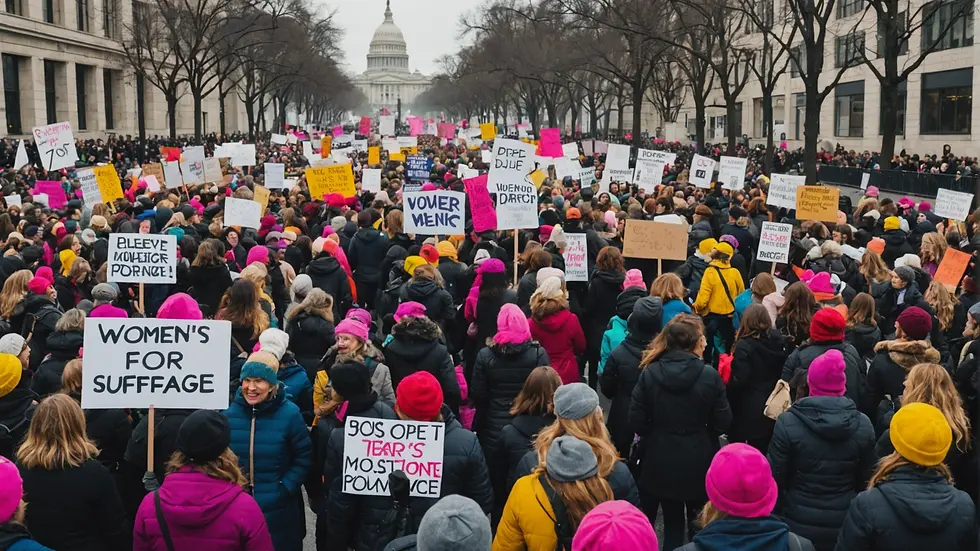
The women's suffrage movement exemplifies resilience and determination, highlighting its significant role in shaping modern America.
The Forgotten Contributions of Indigenous Peoples
Before the formation of the United States, Indigenous peoples had developed rich cultures and governing systems. Their influence is often overlooked in mainstream narratives. A prime example is the Iroquois Confederacy, which impacted the drafting of the Constitution.
The Iroquois governance model, emphasizing consensus and checks and balances, inspired foundational aspects of American political structures. Recognizing this influence helps us understand the roots of democracy in the United States today.
Additionally, many Indigenous groups practiced sustainable environmental stewardship. For example, the Iroquois managed their land through agricultural practices, reflecting a deep respect for nature. Studies show that Indigenous practices can offer valuable lessons in sustainable development that are relevant today.
The Impact of Immigrants on American Culture
Throughout history, immigrants have been key in shaping the cultural landscape of the United States. From the Irish and Italians in the 19th century to Hispanic and Asian populations in recent decades, each group has brought unique traditions and views, enriching American life.
For example, the Irish immigrants who arrived during the Great Famine of the 1840s faced significant discrimination yet contributed to labor movements by forming coalitions that pushed for fair working conditions. In modern times, the experiences of Japanese Americans during World War II, specifically the internment camps where over 120,000 individuals were held, underscore the ongoing importance of civil liberties.
By understanding these stories, we can better appreciate the challenges immigrants face today and recognize their contributions to the nation.
The Silent Generations: Contributions of the LGBTQ+ Community
The LGBTQ+ community has significantly impacted US history, often from the shadows. Many individuals fought for recognition long before the modern movement gained traction in the 1960s. Figures like Marsha P. Johnson and Sylvia Rivera were crucial during the Stonewall Riots of 1969. These riots are frequently hailed as the spark for the contemporary LGBTQ+ rights movement.
Their bravery laid the groundwork for legal victories, such as the 2015 Supreme Court ruling that legalized same-sex marriage. Understanding their struggles helps illuminate the broader civil rights landscape in America.
The Other Side of War: The Home Front During Major Conflicts
Wars are typically fought on the battlefield, but the home front plays an equally crucial role. During both World Wars, the American labor force changed dramatically. Women stepped into roles traditionally held by men who were off fighting.
For instance, during World War II, women's participation in the workforce increased from 27% to 37%. This shift marked a transformative moment for gender roles. Women's newfound independence during this time not only contributed to the war effort but also laid the foundation for future movements advocating for gender equality. The impact of this period continues to resonate in discussions about women's rights today.
Urbanization and the Transformation of American Life
The late 19th and early 20th centuries experienced significant urbanization, as people moved from rural areas to expanding cities. This shift brought challenges and opportunities. It gave rise to vibrant cultural movements, like the Harlem Renaissance, which celebrated African American artistry.
However, urbanization also resulted in overcrowding and public health issues. For instance, in cities like New York, the population grew from around 1.5 million in 1890 to over 3 million in 1910. This duality of progress and its consequences highlights the complexities of American development.
Reflecting on Untold Stories
As we explore US history, it becomes clear that the narratives worth uncovering extend beyond well-documented events. These untold stories provide valuable insights into the diverse experiences that have shaped the nation. History is not merely a collection of events; it is a rich tapestry woven from countless lives, challenges, and victories.
By shining a light on these narratives, we encourage a broader dialogue about American identity. Understanding these complex stories promotes appreciation for our intricate past. Recognizing and valuing hidden facets of history allows us to shape a more equitable future, ensuring all voices are heard and respected.


Comments